Navigating Vietnam on Two Wheels: A Beginner’s Guide
Embarking on a motorbike journey in Vietnam is an exhilarating adventure that promises an intimate exploration of its vibrant streets and breathtaking landscapes. Whether you’re a novice rider or new to the country, mastering the art of riding a motorbike in Vietnam can transform your experience, offering unparalleled freedom to discover the hidden gems of this dynamic country. This comprehensive guide, brought to you by SaigonLicense.com, is designed to equip beginners with essential knowledge, from navigating local driving norms to selecting the right motorbike, ensuring a safe and memorable adventure on two wheels.

Exploring Vietnam’s Motorbike Culture: Understanding Local Driving Norms
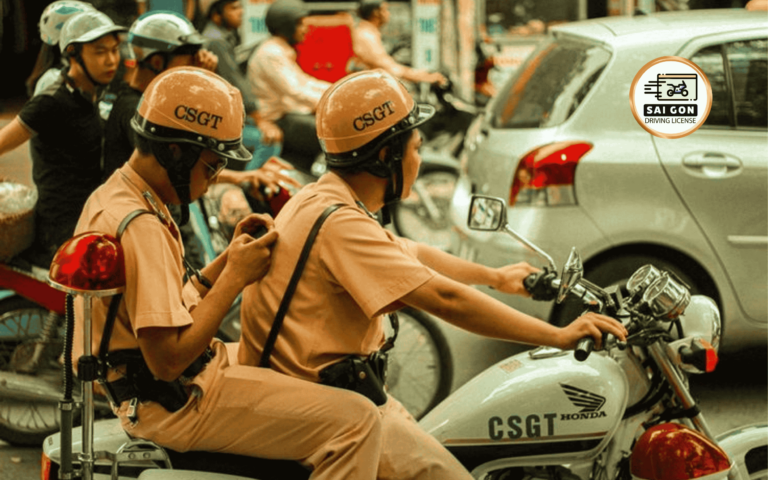
Vietnam’s motorbike culture, as diverse as its landscape, is a cornerstone of daily life, with millions of bikes navigating the bustling cities and tranquil countryside. Understanding Vietnam motorbike driving norms and embracing the local driving culture in Vietnam is essential for anyone new to its roads. The country’s streets present a unique orchestra of honks and engines, a testament to the pivotal role motorbikes play in daily commutes and local livelihoods.
Here, motorbike riding transcends mere transportation; it’s an integral part of the social fabric, a way to connect with the heart and soul of Vietnam. Navigating these roads isn’t just about reaching your destination; it’s about adapting to a lifestyle where two-wheelers dominate, maneuvering with a rhythm and flow that’s uniquely Vietnamese. At SaigonLicense.com, we offer not just guidelines but a gateway to understanding this dynamic – providing comprehensive insights and practical tips to help newcomers seamlessly integrate into this vibrant motorbike culture, respecting and adhering to local norms while experiencing the true essence of Vietnam’s streets.
Selecting Your Steed: How to Choose the Right Motorbike and Understand Traffic Laws
Delving into the essentials of choosing a motorbike in Vietnam requires an understanding of the nation’s diverse landscapes and adherence to local traffic laws. The process of choosing a motorbike in Vietnam is a nuanced decision that plays a crucial role in how one experiences the country’s dynamic environments.
Motorbike Selection for Urban Mobility in Vietnam
When selecting a motorbike for city traversal, factors such as size and maneuverability take precedence. In the dense traffic of Vietnam’s cities, a compact bike that offers easy handling is ideal. This ensures agility in crowded urban settings, making weaving through traffic smoother. Additionally, consider motorbikes with moderate engine power – enough for quick acceleration but not so much as to be unwieldy in tight spaces.

Motorbike Choice for Rural Exploration
For traversing Vietnam’s rural landscapes, a different set of criteria emerges. Here, durability and comfort are key. Choose motorbikes with better suspension systems to handle uneven terrains and larger fuel tanks for extended travel without frequent stops. The engine size might be larger than urban bikes, offering more power to navigate hilly or rugged areas.
In addition, you can also refer here if you plan to buy a motorbike in Vietnam soon. Below are a few small notes for those who are planning to go see a motorbike:
- Size and Maneuverability: Select a compact motorbike that allows for easy navigation through busy city streets and crowded traffic conditions.
- Engine Power: Opt for a motorbike with moderate engine power, providing sufficient acceleration for urban environments without being overly powerful.
- Fuel Efficiency: Consider fuel-efficient motorbikes to manage frequent city travel and reduce fuel costs, especially important in urban commutes.
- Comfort and Handling: Ensure the bike has comfortable seating and responsive handling, as city driving often involves frequent stops and starts.

Understanding Vietnam Traffic Laws
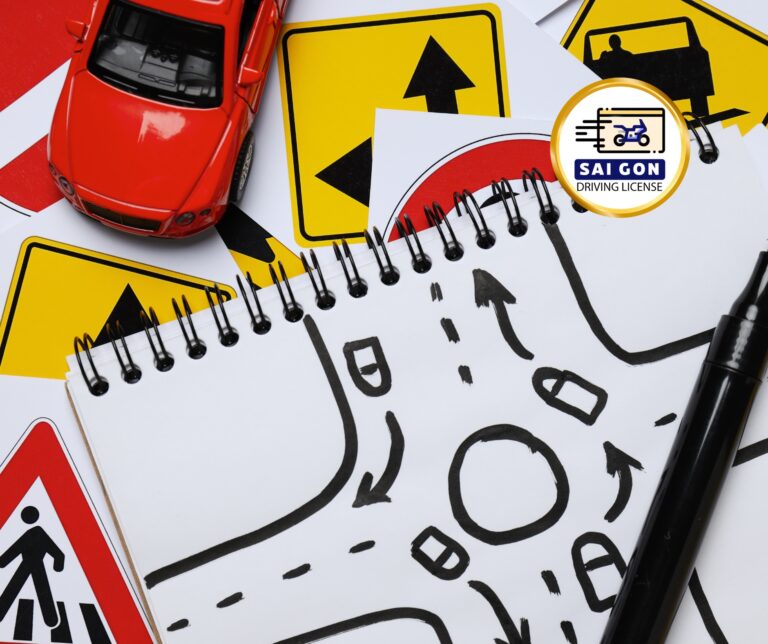
A fundamental aspect of safely and compliantly participating in Vietnam’s traffic is understanding Vietnam traffic laws. Foreigners should be particularly cognizant of helmet laws, as they are strictly enforced for both drivers and passengers. Familiarize yourself with local speed limits, which may vary significantly from urban to rural areas. Additionally, understanding signaling etiquette, parking regulations, and the right-of-way rules is crucial to avoid misunderstandings and ensure safety on the roads.

Mastering the Roads: Tips for Safe Navigation in Urban and Rural Vietnam
For those who love urban driving, especially in Ha Noi and Ho Chi Minh City. There are several things that you should keep in mind:
- Stay Alert: In the dynamic urban chaos, maintaining acute awareness is crucial. Keep an eye out for sudden changes in traffic and unexpected obstacles.
- Adapt to Traffic Density: Learn to maneuver in dense traffic with agility. Practice quick reflexes to respond safely to the fast-paced urban environment.
- Understand Traffic Flow: Familiarize yourself with the specific traffic patterns and behaviors in Vietnamese cities to anticipate and react appropriately.

On the other hand, there are also some tips that you should be prepared before traveling in the rural areas:
- Prepare for Varied Terrains: Equip yourself for different road conditions, from winding mountain roads to flat, open fields.
- Heighten Situational Awareness: Rural areas may have less predictable traffic and road conditions. Stay vigilant and anticipate possible road hazards.
- Defensive Riding Techniques: Utilize defensive riding strategies to safely navigate less frequented rural roads, where assistance may not be readily available.
Understanding and practicing motorbike safety in both urban and rural Vietnam is essential for confidently navigating Vietnam roads. These tips aim to provide newcomers with the necessary skills to safely explore Vietnam’s diverse landscapes on a motorbike, ensuring a memorable and enjoyable experience.
A Newcomer’s Guide to Motorbike Adventures in Vietnam
Our “Beginner Motorbike Guide for Vietnam” is crafted to empower newcomers with essential tips and strategies for a safe and thrilling motorbiking experience. This guide focuses on equipping beginners with the knowledge needed for everything from daily commutes to adventurous explorations on two wheels in Vietnam’s unique landscape.
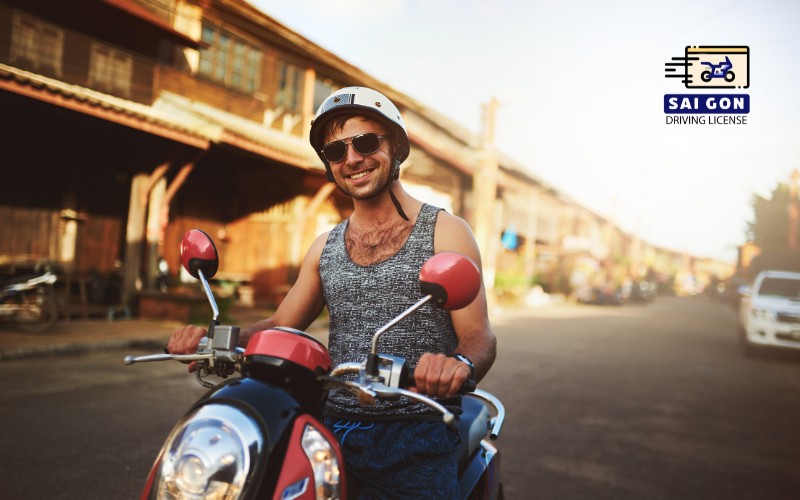
Key Cultural Traffic Rituals in Vietnam for Foreigners:
- Horn Usage: Horns are frequently used not as a sign of aggression but as a communication tool to signal presence.
- Right of Way: In Vietnam, larger vehicles often have the assumed right of way. Exercise caution, especially at intersections.
- Lane Splitting and Weaving: Common practice among motorbikes; be prepared for bikes moving between lanes.
- Crossing the Street: Pedestrians may walk slowly and steadily across roads; motorbikes navigate around them without stopping. And after crossing the street, a nod of thanks is indispensable to show your understanding of Vietnamese culture.
- Parking Norms: Understand local parking rules to avoid fines or getting stolen. Look for designated motorbike parking areas. Always lock the bike carefully before parking outside of any parking areas.
Addressing Your Motorbike Queries: Expert Answers to Common Questions

Riding a motorbike in Vietnam, a popular choice among expatriates and tourists naturally raises numerous questions. At SaigonLicense.com, we have compiled a comprehensive list of Vietnam motorbike FAQs, providing expert insights to enhance your riding experience in this vibrant country. Here are some common motorbike questions in Vietnam, each followed by an informative answer:
These FAQs aim to address the initial concerns of riders new to Vietnam, ensuring a safer and more informed motorbike experience. For more detailed information and guidance, visit our comprehensive section on SaigonLicense.com.
Riding Into the Sunset: Key Insights for Budding Motorbike Enthusiasts in Vietnam
In summarizing this guide for beginner motorbike enthusiasts in Vietnam, we at SaigonLicense.com aim to instill confidence and essential knowledge for delving into Vietnam’s unique motorbike culture. Riding here is more than a skill; it’s about embracing the local way of life, respecting its rules, and ensuring safety on every ride. This journey offers personal growth and thrilling adventures across Vietnam’s diverse landscapes.

The future of motorbike riding in Vietnam is bright, presenting endless opportunities to explore from bustling cities to tranquil countryside. As beginners start this exciting journey, our services at SaigonLicense.com are here to support you with expert advice, comprehensive guides, and all the necessary tools to navigate Vietnam’s roads safely and enjoyably. Embrace each ride as an opportunity for adventure and cultural connection, making your motorbike experience in Vietnam truly unforgettable with SaigonLicense.com.